Oven cleaner Palmers Green fast oven deep clean
Posted on 18/06/2026
Oven cleaner Palmers Green fast oven deep clean: a practical guide to quicker, better results
If your oven has reached that grim stage where the glass looks cloudy, the trays feel sticky, and every roast seems to leave a faint burnt smell behind, you are not alone. A proper Oven cleaner Palmers Green fast oven deep clean is usually less about vanity and more about getting the kitchen back to normal. Clean ovens heat more evenly, smell fresher, and are simply easier to live with. In a busy home, that matters. A lot.
This guide explains what a fast oven deep clean actually involves, why it is worth doing, how the process works, and what to expect if you want reliable results without spending your Saturday crouched in front of a dirty door with a sponge and regret. We will also cover common mistakes, practical prep, and a few sensible standards to keep in mind.

Why Oven cleaner Palmers Green fast oven deep clean Matters
Let's face it: an oven gets messy in a way that feels personal. Fat spatters harden. Sugar spills caramelise. Roasted potatoes leave a smoky film that builds up slowly until one day the whole thing looks beyond saving. That is usually the point where people start searching for a fast oven deep clean rather than another quick wipe-down.
In Palmers Green, as in most London homes, ovens are used heavily. Family dinners, batch cooking, Sunday roasts, school-night pizzas, leftovers reheated at odd hours... it all adds up. A routine surface clean can tidy the visible bits, but it rarely reaches the burnt grease around fan covers, racks, seals, and hidden corners. A deep clean does. A fast service matters too, especially if you need the kitchen back in use the same day or you simply do not want the job hanging over you for another week.
There is also a practical side that people sometimes underestimate. Heavy grease can cause unpleasant odours, smoke, uneven cooking, and unnecessary wear on oven parts. None of that means your appliance is failing; it just means it is overdue for proper attention.
For households already juggling a wider clean, it can make sense to pair oven care with deep cleaning support in Enfield or with a broader house cleaning service if the kitchen is only one part of the picture. If you are coordinating a larger refresh, a spring clean in Enfield can be a tidy way to cover the whole property without piecemeal stress.
How Oven cleaner Palmers Green fast oven deep clean Works
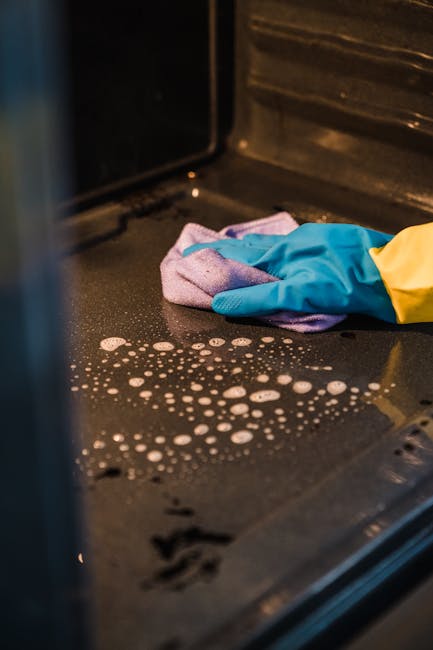
A proper oven deep clean is not just a wipe-over with a scented spray. It is a structured process that aims to remove baked-on residue from as many accessible surfaces as possible while protecting the appliance. Depending on the oven type and condition, the cleaner may work on the door glass, cavity, racks, trays, seals, knobs, side panels, fan cover, and removable components.
The exact method varies a little, but the sequence usually follows the same logic:
- Inspection and prep. The oven is checked for damage, loose parts, heavy carbon build-up, and any areas that need extra care.
- Removal of components. Racks, trays, and sometimes other removable parts are taken out so they can be cleaned separately.
- Degreasing and soaking. Specialist cleaning products or approved cleaning techniques are used to loosen baked-on grease and stubborn residue.
- Detail cleaning. Corners, edges, seals, and the door are cleaned carefully so hidden grime does not get left behind.
- Rinse and polish. Surfaces are wiped down, residue is removed, and the oven is left ready for normal use.
Fast does not have to mean rushed. The aim is efficiency with care. That distinction matters. A well-done deep clean should leave no harsh residue, no streaky glass, and no lingering chemical smell. If the job is done properly, the oven should look clean and smell like, well, nothing much at all. Which is exactly the point.
Many people also use oven cleaning as part of a wider one-off refresh. If that sounds familiar, you may find one-off cleaning in Enfield helpful when the home has accumulated too many jobs at once. It happens. Life does that.
Key Benefits and Practical Advantages
The obvious benefit is a cleaner oven. But there is more to it than appearance. A deep clean can change how the kitchen feels and performs in small but noticeable ways.
- Better cooking visibility. Clean glass and a cleaner cavity make it easier to check food without opening the door repeatedly.
- Less smoke and odour. Old grease and food residue are common causes of smoke when the oven heats up.
- More even performance. Heavy build-up can interfere with airflow and heat distribution in some ovens.
- Improved kitchen hygiene. Grease and food residue attract more dirt, so a clean oven helps the whole room stay fresher.
- Time saved. A professional-style deep clean is usually far quicker than trying to tackle every layer yourself over multiple attempts.
- Less stress before guests or move-out dates. This is the one people mention most quietly. They just want the job done, properly.
If you are preparing a property for the end of a tenancy, oven cleaning becomes even more important. It is one of those details that stands out immediately during inspection. A clean oven signals that the kitchen has been cared for, not just superficially tidied. For that reason, many people combine it with end of tenancy cleaning in Enfield to avoid last-minute problems.
Practical takeaway: a deep oven clean is not only about looks. It supports better day-to-day use, lowers the chance of unpleasant cooking smells, and saves you from the kind of grime that keeps coming back after a quick scrub.
Who This Is For and When It Makes Sense
Fast oven deep cleaning is useful for more people than you might think. It is not just for households with heavily used ranges or people who love cooking. In our experience, the biggest demand comes from ordinary homes where the oven is used often enough to build up dirt, but not often enough to justify constant maintenance.
It may be a good fit if you:
- cook regularly and notice burnt-on residue inside the oven
- are dealing with smoke or strong odours during cooking
- are preparing for a dinner party, family visit, or special occasion
- need the appliance cleaned quickly before a tenancy check-out
- have a busy schedule and do not want to spend hours scrubbing
- find the job physically awkward, especially around low-built ovens
It also makes sense after a period of heavy use, such as Christmas, school holidays, or a stretch of batch cooking. A lot of people wait until the oven looks "really bad." Truth be told, earlier is easier. But if it has already reached the annoying stage, that is fine too. The job is still manageable.
For homes where oven cleaning is part of a broader domestic routine, domestic cleaning in Enfield may be a better long-term fit than one-off attention alone. Offices and shared spaces are different again, of course, and a broader office cleaning service is usually more appropriate for those settings.
Step-by-Step Guidance
If you want a clear picture of how a fast oven deep clean should unfold, here is a practical version of the process. This is useful whether you are doing a careful DIY job or checking the quality of a professional clean.
- Switch off and cool down the oven completely. This sounds obvious, but impatience leads to mistakes. Warm metal and cleaning products are not a brilliant combination.
- Clear the area around the oven. Move tea towels, chopping boards, trays, and anything fragile nearby. Give yourself room to work.
- Remove racks and trays. These should usually be cleaned separately so the main cavity can be treated properly.
- Check for manufacturer guidance. Some ovens have specific care notes for self-cleaning functions, seals, or catalytic panels.
- Apply the right cleaning approach. That may involve specialist products, manual degreasing, or a combination of soaking and wiping.
- Work from top to bottom. This avoids dragging loosened grime onto sections you have already cleaned.
- Pay attention to the door glass and seals. These are the areas people notice first, and they often collect a surprising amount of residue.
- Reassemble carefully. Once everything is fully dry, the racks and trays can go back in place.
- Run the oven briefly if needed. A short empty heat cycle can help clear any remaining moisture or cleaner scent, if the cleaning method allows it.
A small but important point: not every surface should be treated the same way. Fans, elements, seals, and electronic controls each need different handling. If you are unsure, that is the moment to slow down rather than press on. Better safe than sorry, boring as that sounds.
Expert Tips for Better Results
A good clean is often about technique, not brute force. Scrubbing harder rarely wins. It just tires your arms and can damage finishes. These small habits make a real difference.
- Let products dwell. Grease softens with time. Rushing straight into wiping usually means you are doing the same job twice.
- Use microfibre cloths where possible. They pick up loosened grime well and are less likely to leave fibres behind.
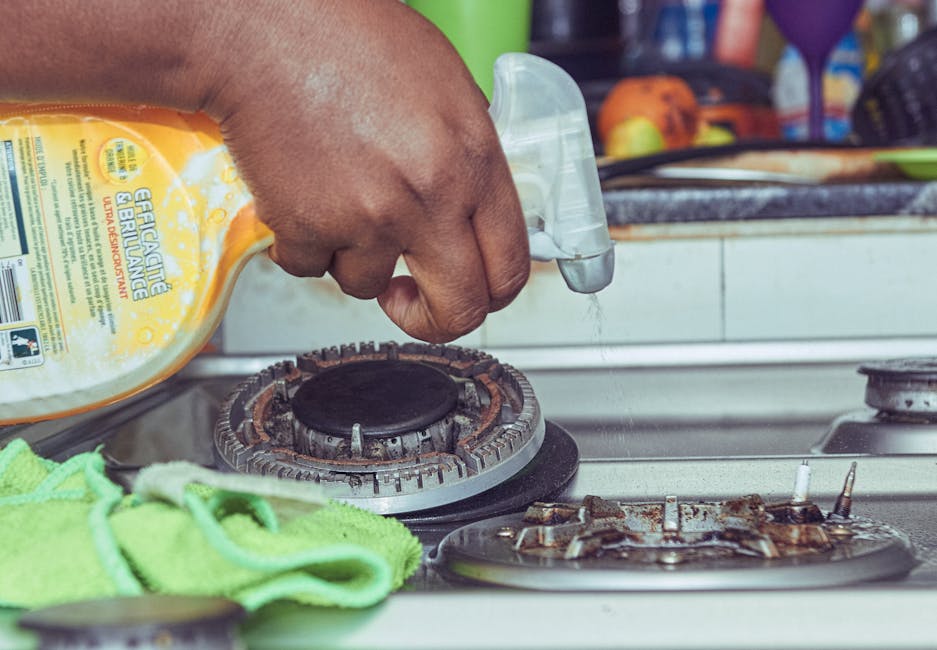
- Protect surrounding surfaces. A stray drip on a hob or floor is easy to avoid if you cover nearby areas first.
- Do the glass last, but not too late. It is one of the most satisfying parts of the job, and it helps show the true result.
- Be careful with abrasive pads. They can scratch coatings, especially on modern ovens with delicate finishes.
- Ventilate the kitchen. Open a window if you can. A bit of fresh air makes the whole process feel less heavy.
If you are booking a deep clean alongside other soft furnishings, it can help to think in zones. Kitchens and ovens are grease-heavy, while textiles need a different approach entirely. For example, customers often pair kitchen work with upholstery cleaning in Enfield or even a practical read on caring for velvet curtains when the whole room needs refreshing. Different mess, different method. Simple as that.
And one more tip, slightly unglamorous but useful: wipe the outside handle and control panel too. It is the first thing hands touch, and it can spoil the look of an otherwise spotless oven. Tiny detail, big effect.
Common Mistakes to Avoid
Most oven-cleaning mishaps come from trying to move too quickly or using the wrong products. A little patience goes a long way here.
- Cleaning a hot oven. This is unsafe and can reduce how well products work.
- Using too much liquid. Excess moisture can seep into areas that should stay dry.
- Ignoring the seals. Door seals help the oven perform properly, so they should be handled gently.
- Mixing cleaning products. Even if a product smells strong enough on its own, combining chemicals is a bad idea.
- Forgetting hidden edges. Grime often lives where you do not first look: under lips, around hinges, and behind removable parts.
- Leaving residue behind. A clean-looking surface can still feel sticky if cleaner has not been fully removed.
There is also the classic mistake of assuming self-cleaning settings do everything for you. Sometimes they help. Sometimes they just loosen some of the mess and create a smoky aftermath. Nice idea, mixed results. Always check the appliance instructions and use judgment rather than optimism alone.
Tools, Resources and Recommendations
You do not need a complicated toolkit for a straightforward oven deep clean, but the right basics help the job go more smoothly.
| Item | Why it helps | Good for |
|---|---|---|
| Microfibre cloths | Lift grease without harsh abrasion | Glass, door, control areas |
| Non-scratch sponge | Helps with stubborn residue while protecting surfaces | Racks, trays, interior walls |
| Soft brush | Useful for corners and vents | Seals, edges, fine detail |
| Gloves | Protect hands from grime and cleaning products | All stages of the job |
| Warm water and cloths | Essential for rinsing and finishing | Final wipe-down |
As for when to bring in help, consider the age and condition of the oven. Older appliances, heavily baked-on build-up, or ovens with tricky access often benefit from professional attention. The same goes for households already planning broader cleaning or moving-related work. A simple services overview can help you decide what needs attention first, while pricing and quotes is useful if you are comparing options before booking.
For anyone who values reassurance as much as convenience, service standards matter too. It is reasonable to ask whether products are suitable for your appliance, how the cleaner handles delicate parts, and what happens if an area needs extra care. A little clarity upfront saves awkwardness later.
Law, Compliance, Standards, or Best Practice
Oven cleaning itself is not a heavily regulated activity in the way some trades are, but best practice still matters. In the UK, professional cleaners are generally expected to work safely, use suitable products responsibly, and avoid damage to property. That sounds simple, yet it is the difference between a tidy job and a messy one.
For households, the practical considerations are usually about:
- Safety. Cleaning should be done with suitable protective measures and without creating electrical or slip hazards.
- Product suitability. Strong products should be used carefully and in line with the appliance material and manufacturer guidance where relevant.
- Clear communication. If an oven has defects, loose seals, or unusual staining, that should be discussed before work begins.
- Fair expectations. A deep clean can remove a lot, but not every mark is reversible. Some staining is permanent, especially if surfaces have been damaged by heat over time.
If you are booking a service, it is also sensible to check the company's wider approach to trust and accountability. Pages such as about us, insurance and safety, and health and safety policy help show how a provider thinks about care and responsibility, not just the cleaning itself. That kind of transparency matters more than people often admit.
Options, Methods, or Comparison Table
There is more than one way to deal with an oven that has become a bit of a beast. The right option depends on time, budget, appliance condition, and how comfortable you are doing the work yourself.
| Method | Best for | Pros | Limitations |
|---|---|---|---|
| Light DIY wipe-down | Regular maintenance | Quick, cheap, easy to repeat | Won't shift heavy burnt-on grease |
| Thorough DIY deep clean | Moderate build-up and patient homeowners | Cost-effective, hands-on control | Time-consuming, physically awkward |
| Fast professional-style oven deep clean | Busy homes, move-outs, heavy grime | Efficient, detailed, less effort for you | Usually costs more than doing it yourself |
| Broader property clean with oven included | Whole-home refresh or tenancy prep | Convenient, coordinated, less admin | May be more than you need if only the oven is dirty |
There is no single "best" option for everyone. A lightly used oven can often stay in good shape with simple weekly care. A family kitchen used every day? That is a different story. In that case, a deeper and more regular approach usually pays off.
Case Study or Real-World Example
Here is a typical scenario. A couple in Palmers Green had an oven that looked fine at a glance, but the inside had a thick strip of burnt fat near the base, the door glass was hazy, and the kitchen smelled faintly smoky whenever they roasted vegetables. They had been wiping the hob regularly, so they assumed the oven was not too bad. It was. Just hidden.
They needed the kitchen ready quickly because family were visiting over the weekend. Rather than spending half a day trying different products, they opted for a fast deep clean alongside a small wider tidy-up. The difference was immediate: the glass became clear, the smell lifted, and the oven heated without the same smoky edge. Small thing, maybe. But it changed how the room felt.
That is the part people remember. Not the scrubbing itself. The after-feeling. Clean, calmer, less sticky. You open the oven and it does not look like a crime scene anymore. Relief, basically.
This sort of result often sits neatly within a broader home refresh, especially if other rooms need attention too. A practical house cleaning approach in Enfield can be a sensible companion to oven work when the whole home needs to reset, not just one appliance.
Practical Checklist
Use this quick checklist before arranging or carrying out a fast oven deep clean:
- confirm the oven is switched off and fully cool
- remove trays, racks, and loose items
- check the oven type and any special care notes
- clear the surrounding kitchen space
- decide whether the job is light maintenance or heavy deep cleaning
- wear gloves if using cleaning products
- ensure the room is ventilated
- inspect seals, hinges, and glass for damage before starting
- wipe away residue fully rather than leaving a film behind
- allow all parts to dry before reassembling
- book broader cleaning if the oven is only one part of a much bigger job
Expert summary: The best oven clean is the one that removes grease safely, protects the appliance, and gets the kitchen back to normal without turning your day upside down. Fast is good. Careful is better. Fast and careful together is the sweet spot.
Conclusion
A fast oven deep clean is one of those jobs that sounds small until you live with the mess. Then it becomes surprisingly important. A clean oven improves how the kitchen looks, smells, and performs, and it can make everyday cooking feel easier again. For Palmers Green homes, that combination of speed and detail is exactly what busy households tend to need.
Whether you are preparing for visitors, clearing up after a period of heavy use, or simply tired of the burnt-on reminder every time you open the door, the sensible next step is to choose the right level of help and get it done properly. No drama. No endless scrubbing. Just a cleaner, calmer kitchen and one less thing hanging around in the background.
Get a free quote today and see how much you can save.
And honestly, there is a small satisfaction in opening a spotless oven door and seeing your own reflection again. Not everything in life needs to be complicated.